Telephone
13969090828
In today's smart factories, fencing is no decoration—it is the non-negotiable safety boundary between humans and machines. As industrial robots become the busiest "workers" on the production line, an age-old question has resurfaced: where exactly should we draw the line between people and machines?
## 01 | 2018, Jinan: An Overlooked Necessity on the Production Line
In 2018, Chinese manufacturing stood at the starting line of the "machine replacement" wave. In automotive welding workshops, six-axis robotic arms swung welding torches at several meters per second; in logistics warehouses, AGV shuttles ran day and night; beside CNC machine tools, loading and unloading manipulators tirelessly repeated their gripping motions. Efficiency was rising—but an old problem was amplified in step: in environments where humans and machines share the floor, accident risk grew right along with it.
It was against this backdrop that industrial safety fencing was redefined. It was no longer the haphazard wire mesh welded up in a corner of the workshop; it had become a piece of "safety systems engineering"—one that had to meet national standards, satisfy CE certification, and keep pace with automated cycle times.
This is the year **Shandong Jingmei Safety Protection Equipment Co., Ltd.** was founded. Rooted in Jinan, the company positioned itself from day one as an integrated R&D, manufacturing, and sales provider of *industrial safety guarding systems*—not selling mesh panels, but delivering complete safety solutions that pass audits, perform on the floor, and endure over the long term. A fence is not bought off a shelf; it is calculated and built to the customer's site, starting from a single steel plate and a single aluminum profile.
## 02 | More Than a Ring of Wire Mesh: What Jingmei Actually Sells
Many people, upon first hearing "safety fence," picture nothing more than a ring of iron railing. Step inside Jingmei's product line, and the true complexity of this business becomes clear.
Today, Jingmei's business is organized into three segments:
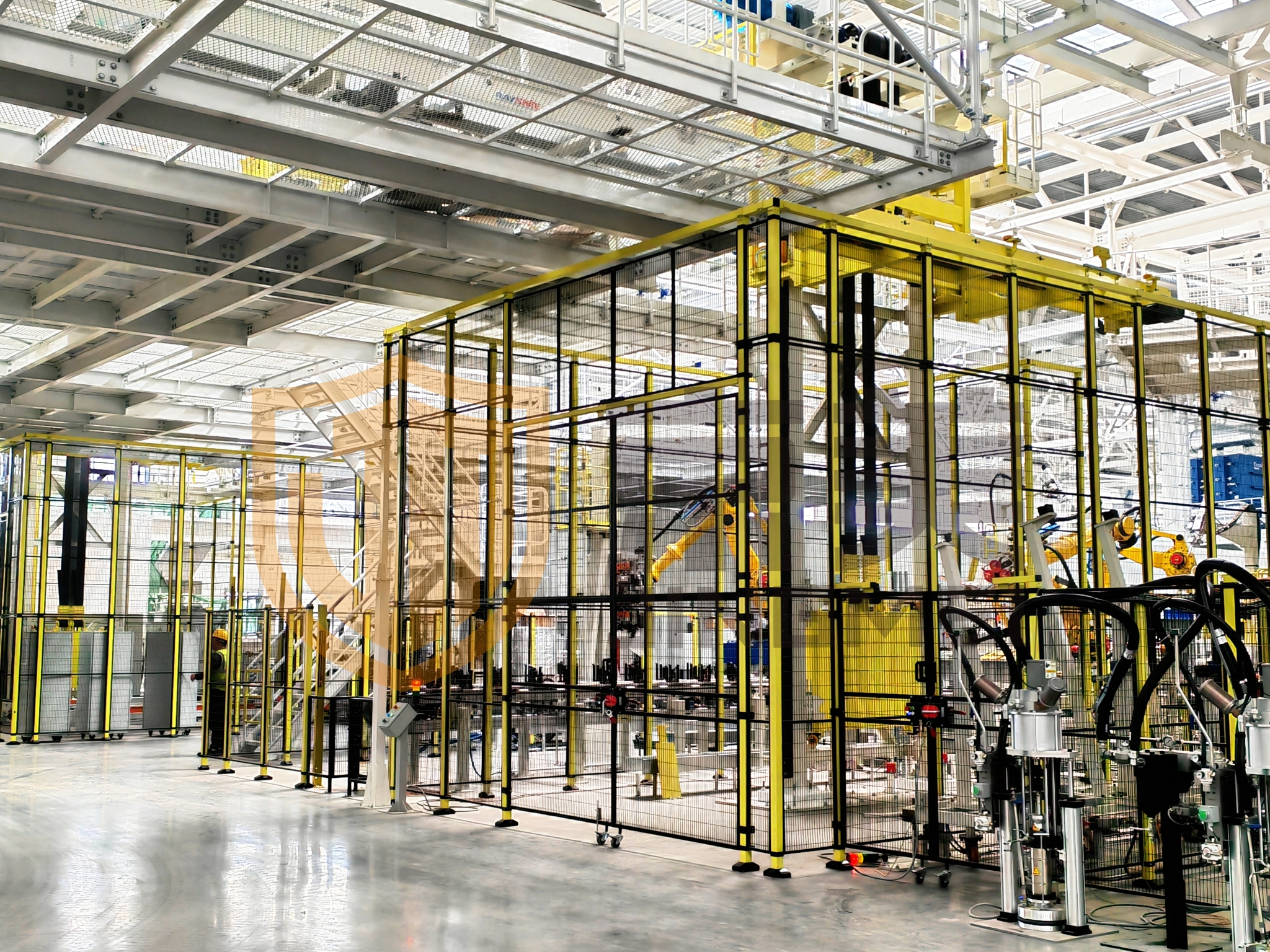
The **first** is the design, manufacturing, and installation of comprehensive safety protection solutions. Main products include steel mesh guarding, PC/acrylic transparent guarding, and aluminum-profile guarding—covering everything from isolated robotic workcells, to zoning of entire automated lines, to pedestrian-vehicle separation in warehousing and logistics.
The **second** is safety signage and compliance solutions. For construction machinery, woodworking engraving, CNC machine tools, and other equipment, Jingmei designs safety labels, hazard warnings, and protective schemes that help manufacturers pass CE certification and safety assessments—a hard threshold for products going overseas.
The **third** is safety consulting and reliability services. A fence is not finished once installed. Customers' line retrofits, workstation reorganization, and export factory audits all require a partner who can re-align safety standards.
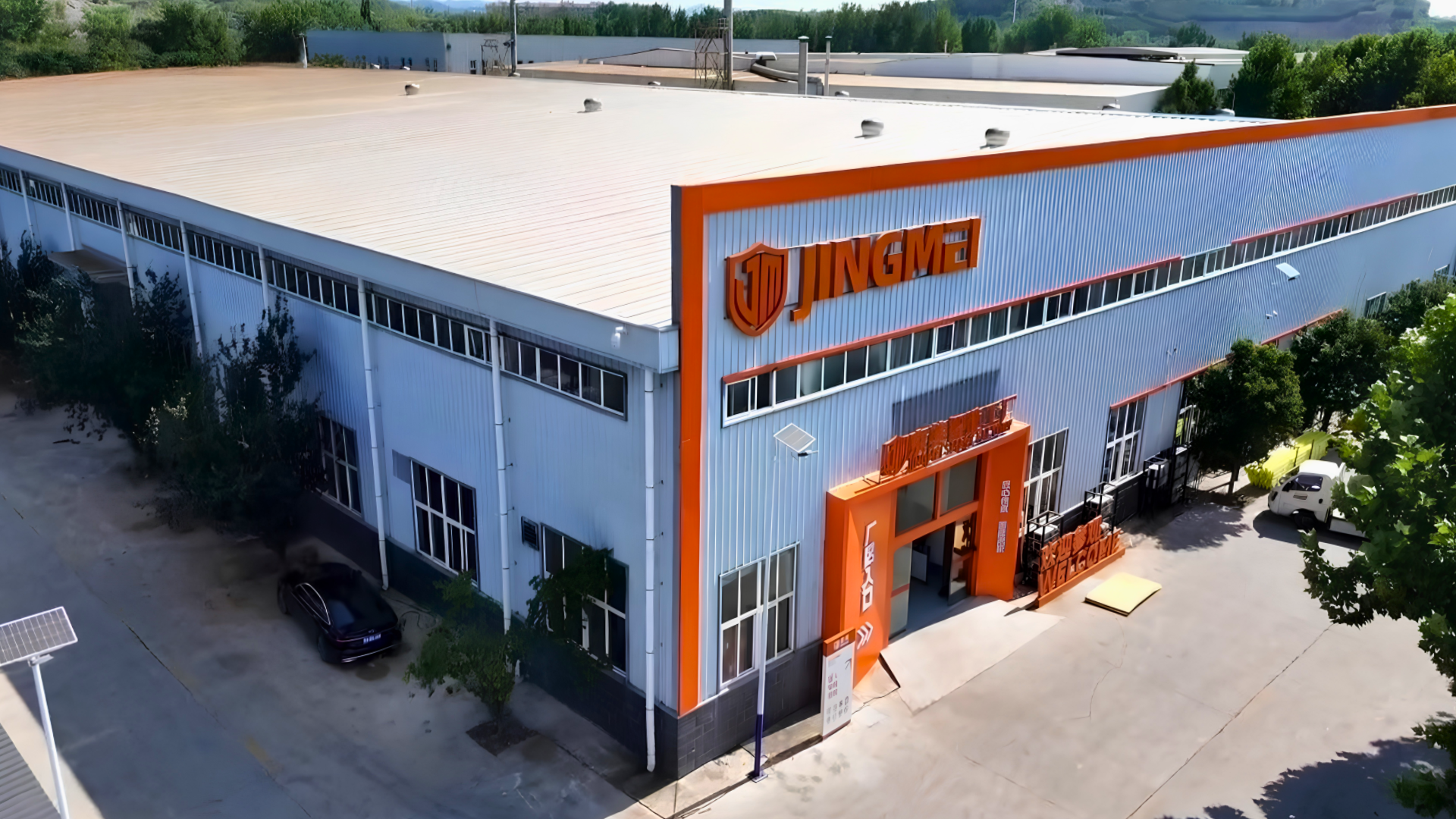
To underpin this "solution capability," Jingmei built a nearly 20,000 m² production and warehousing base in Changqing District, Jinan, equipped with comprehensive in-house processing machinery. Mesh panels, posts, door sets, and most processes are completed under one roof—this is the foundation of its "fast delivery, worry-free after-sales" promise.
## 03 | Why 80 Countries: Certification Is the Only Hard Currency for Going Global
Price wars rage among domestic manufacturers of industrial guarding. The reason Jingmei has taken its business to more than 80 countries and regions across Europe, North America, South America, and Asia is not price—it is a different hand of cards.
Overseas customers—especially European and American automakers, automation integrators, and engineering EPC contractors—never open a factory audit with "how much per meter." They ask:
- Do you hold **CE certification**?
- Can you provide a **TÜV report**?
- Do materials, powder coating, and impact-resistance testing align with an **ISO 9001** quality system?
Jingmei's safety fencing products hold CE certification and TÜV certification, with its entire quality system compliant with ISO 9001. For customers, this means containers will not be held at customs on arrival, on-site acceptance will not be blocked by auditors, and insurance claims and customer complaints are backed by a complete chain of evidence. As Jingmei itself has stated in its published materials: after all these years exporting fencing, winning projects with leading overseas automakers has never been about undercutting on price.
## 04 | The New Battlefield: Energy Storage Stations, Tobacco Workshops, and "Fencing + AI"
In recent years, Jingmei has clearly felt its customers' needs shifting.
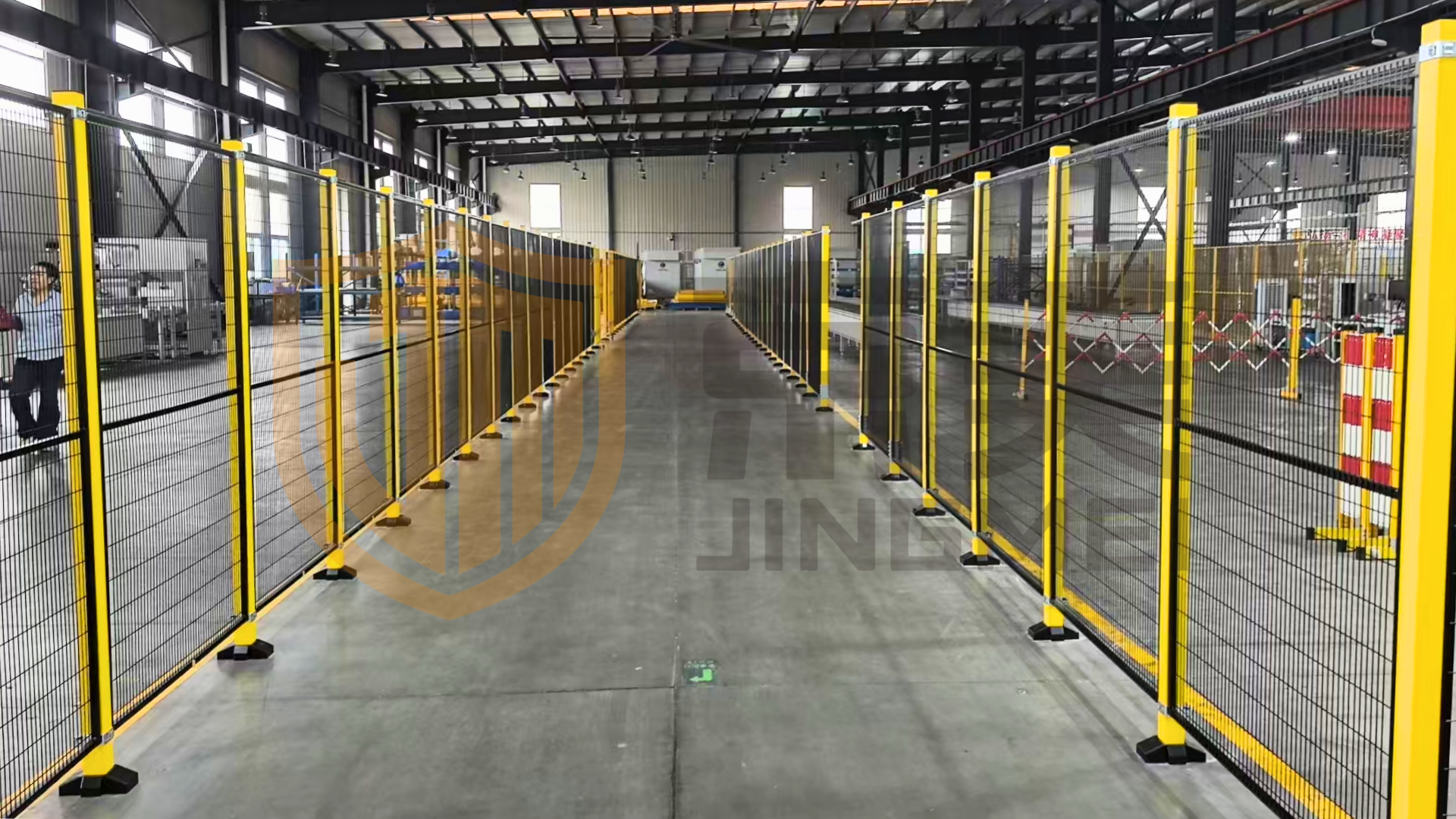
The first wave of new orders came from new energy. Lithium battery, photovoltaic, UHV transmission, and large-scale energy storage stations—a single containerized storage project can span tens of thousands of square meters. Perimeter isolation, fire access routes, and personnel access control each call for custom-engineered fencing. Jingmei spun this line out into a dedicated **energy storage security** division, with structural reinforcement designed around station spacing and fire compartments.
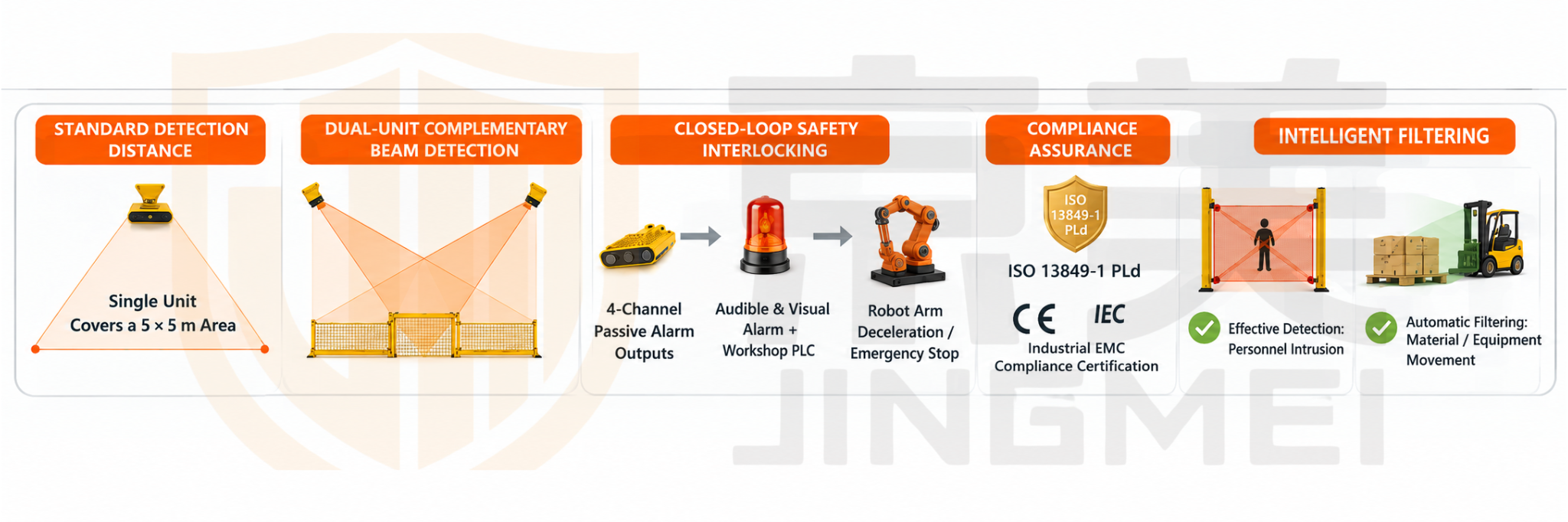
Another notable direction is **"fencing + AI."** This June, Jingmei publicly announced a deployed project in the tobacco industry: in primary-processing and finished-product depalletizing/palletizing workshops, multiple handling robotic arms are densely arranged. A traditional standalone fence cannot reliably stop workers from briefly propping open a gate, climbing over, or crawling underneath. Jingmei's approach combines *physical fencing + AI stereoscopic vision cameras*—the fence blocks obvious violations, while AI detects unexpected intrusions, layered together.
This is no isolated case. From arc-flash protection in automotive welding shops, to stereoscopic monitoring in robotic depalletizing, Jingmei is upgrading "fencing" from a piece of hardware into a safety system with perceptual intelligence.
## 05 | A Set of Numbers, and a Story Still Unfolding
After eight years, these figures drawn from public sources serve as Jingmei's scorecard:
- Founded in 2018, rooted in Jinan
- Owned factory and warehouse of nearly **20,000 m²**
- Annual sales exceeding **RMB 70 million**
- Cumulative service to over **5,000 customers**
- Products exported to more than **80 countries and regions** across Europe, North America, South America, and Asia
- Recognized successively as a **High-tech Enterprise**, **National Technology-based SME**, **Specialized & Innovative ("SRDI") SME**, **Technology Innovation Demonstration Enterprise**, and **Above-Scale Industrial Enterprise**
The customer roster spans a long list of industries: lithium battery, photovoltaics, UHV, robotics, warehousing and logistics, automotive smart manufacturing, construction machinery, machine tool automation, steel and metallurgy, die casting, and tobacco.
Jingmei is not a company built on marketing; it is a company built one order at a time—on the shop floor, at the workstation, and inside overseas factory-audit reports.
## Conclusion
One of industrial civilization's most enduring beliefs is that *people are worth more than machines*. Machines can run 24 hours a day, but whether a worker can walk safely out of the workshop at the end of a shift depends on whether the fence along the line is drawn clearly enough, built solidly enough, and certified rigorously enough.
This is the unglamorous yet utterly uncompromising work Jingmei does. As Chinese manufacturing moves toward intelligence and globalization, someone has to stay on the shop floor and draw that red line accurately.
— END —
 # The Red Line Between Man and Machine: Inside Jingmei’s Industrial Safety Fencing
We position ourselves as a compliant safety isolation solution provider for smart manufacturing sites, instead of centering our narrative on fencing as a product form.
# The Red Line Between Man and Machine: Inside Jingmei’s Industrial Safety Fencing
We position ourselves as a compliant safety isolation solution provider for smart manufacturing sites, instead of centering our narrative on fencing as a product form.  # Industrial Safety Fencing Under CE Certification: Design Basis & Product Delivery Standards
Industrial Fencing: An Indispensable Safeguard for Modern Factories
Understand at a Glance | Shandong Jingmei Security: Product Matrix & Cross‑industry Application Scenarios
Shandong Jingmei: Empowering Smart Manufacturing with Professional Safety Protection Solutions
For overseas trade, safety‑fencing certification is a critical threshold. ✨
Deeply Engaged in the Energy Storage Security Sector | Shandong Jingmei’s Customized Energy Storage Fencing Tackles Core Site Protection Pain Points
Deeply Rooted in Global Export|Shandong Jingmei Captures the World’s High-End Industrial Market with Premium-Grade Fence Quality
# Industrial Safety Fencing Under CE Certification: Design Basis & Product Delivery Standards
Industrial Fencing: An Indispensable Safeguard for Modern Factories
Understand at a Glance | Shandong Jingmei Security: Product Matrix & Cross‑industry Application Scenarios
Shandong Jingmei: Empowering Smart Manufacturing with Professional Safety Protection Solutions
For overseas trade, safety‑fencing certification is a critical threshold. ✨
Deeply Engaged in the Energy Storage Security Sector | Shandong Jingmei’s Customized Energy Storage Fencing Tackles Core Site Protection Pain Points
Deeply Rooted in Global Export|Shandong Jingmei Captures the World’s High-End Industrial Market with Premium-Grade Fence Quality  Industry Application Analysis of Jingmei Safety Fencing
  Steel column PC board fence protection
 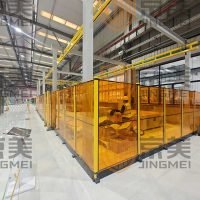 Steel column PC board fence protection
 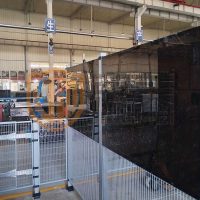 Steel column PC board fence protection
 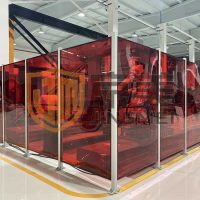 Steel column PC board fence protection
  Sliding assembly + safety lock
  Padlock door buckle
 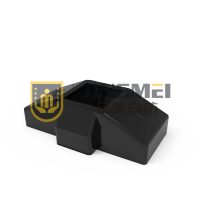 Dust cover
 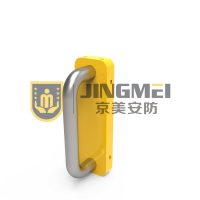 Handle assembly
 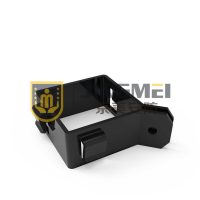 snap ring
 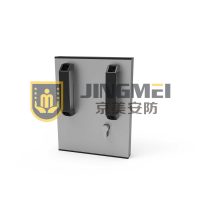 Hook lock assembly
 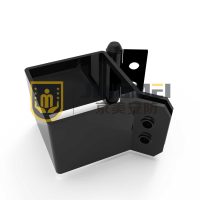 Hinge piece
 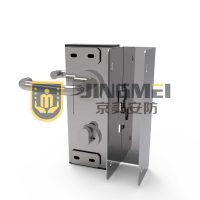 Rotating mechanical lock
 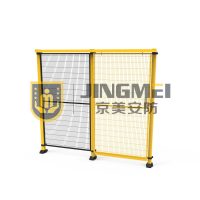 Sliding door
 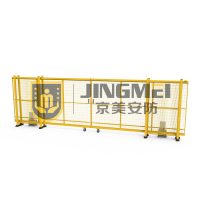 Electric sliding door
 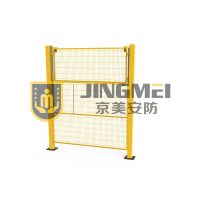 Pneumatic liftgate
 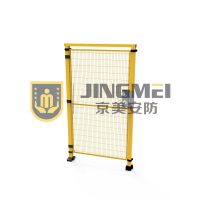 Hinged door
 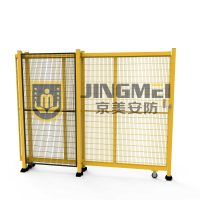 平移门
平移门 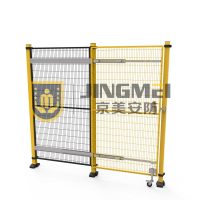 Telescopic door
 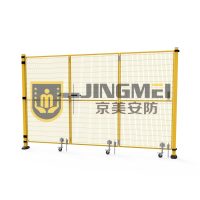 Folding door
 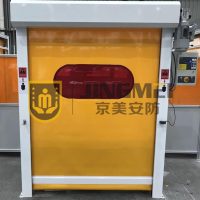 Industrial roller shutter door